Water Flow Meter - English Code
Introduction:
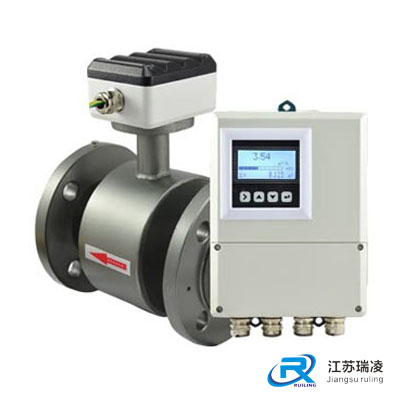
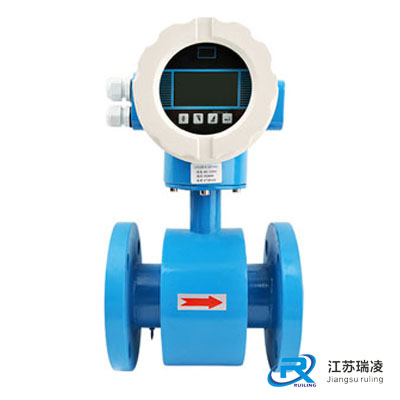
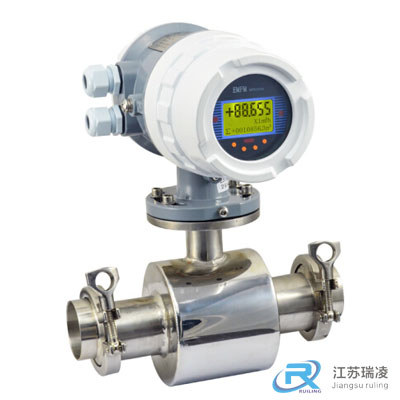
Water flow meters are widely used in various industries and applications to measure the flowrate of water in pipes or channels. They are essential tools for monitoring and controlling water usage, irrigation systems, water treatment plants, and many other water-related processes. In this article, we will discuss the English code used to program water flow meters, including the hardware and software components involved.
Hardware Components:
1. Flow Sensor: The flow sensor is the primary component used to measure the flowrate of water. It is usually placed inline with the pipe or channel and consists of a paddle wheel, turbine, or ultrasonic sensor that detects the movement of water and converts it into an electrical signal.
2. Microcontroller: A microcontroller is the brain of the water flow meter. It is responsible for processing the input signal from the flow sensor and calculating the flowrate using an algorithm. Commonly used microcontrollers for water flow meters include Arduino, Raspberry Pi, and ESP8266.
3. Display Unit: The display unit is used to show the measured flowrate and other relevant information to the user. It can be an LCD screen, OLED display, or even a simple LED.
4. Power Supply: A stable power supply is required to operate the water flow meter. It can be a battery pack, AC adapter, or solar panels, depending on the application and usage scenario.
Software Components:
1. Sensor Calibration: Before using the water flow meter, it is essential to calibrate the sensor to ensure accurate readings. This involves determining the sensor's coefficient or K-factor, which relates the rotational speed of the paddle wheel or turbine to the flowrate. The calibration process typically involves controlled flow-rate measurements using a reference flow meter and adjusting the K-factor accordingly.
2. Input Signal Processing: Once the flow sensor is calibrated, the microcontroller reads the sensor's output signal, which is usually a pulse or frequency proportional to the flowrate. The microcontroller measures the time between pulses or counts the number of pulses within a specific time frame to calculate the flowrate.
3. Flowrate Calculation: The microcontroller uses a suitable algorithm or formula to convert the pulse or frequency readings into a flowrate value. The algorithm can vary depending on the type of flow sensor used and the desired units of measurement (e.g., liters per minute, gallons per hour, etc.).
4. Data Display and Storage: The calculated flowrate can be displayed on the unit's display, providing real-time information to the user. Additionally, the data can be stored in memory or transmitted wirelessly to a monitoring system for further analysis and logging.
Example Code (Arduino):
Here is a simplified example code snippet for a water flow meter using an Arduino microcontroller:
```Arduino
include
const int sensorPin = 2;
volatile unsigned long pulseCount;
const float calibrationFactor = 4.5; // K-factor for flow sensor
LiquidCrystal lcd(12, 11, 5, 4, 3, 2); // LCD wiring
void setup() {
pinMode(sensorPin, INPUT);
attachInterrupt(digitalPinToInterrupt(sensorPin), pulseCounter, RISING);
lcd.begin(16,2); // LCD dimensions
}
void loop() {
unsigned long frequency;
float flowrate;
noInterrupts();
frequency = pulseCount / 5; // Calculate frequency in Hz
pulseCount = 0;
interrupts();
flowrate = frequency / calibrationFactor; // Calculate flowrate in L/min
lcd.setCursor(0, 0);
lcd.print(Flow Rate:);
lcd.setCursor(0, 1);
lcd.print(flowrate);
lcd.print( L/min);
delay(1000); // Update every second
}
void pulseCounter() {
pulseCount++;
}
```
Conclusion:
Water flow meters play a crucial role in monitoring and controlling the flowrate of water in various applications. By using the English code provided above, you can program a water flow meter using an Arduino microcontroller and display the flowrate in liters per minute on an LCD screen. Remember to calibrate the flow sensor before using the water flow meter to ensure accurate measurements.


友情鏈接: 財(cái)產(chǎn)保全擔(dān)保 |